Home
PrivacyTermsCookies

Ranked Strategy Gaming

Your skill determines your rank. That's it.

Turn-based competitive play where unit placement and economy timing win matches. Not reaction speed.

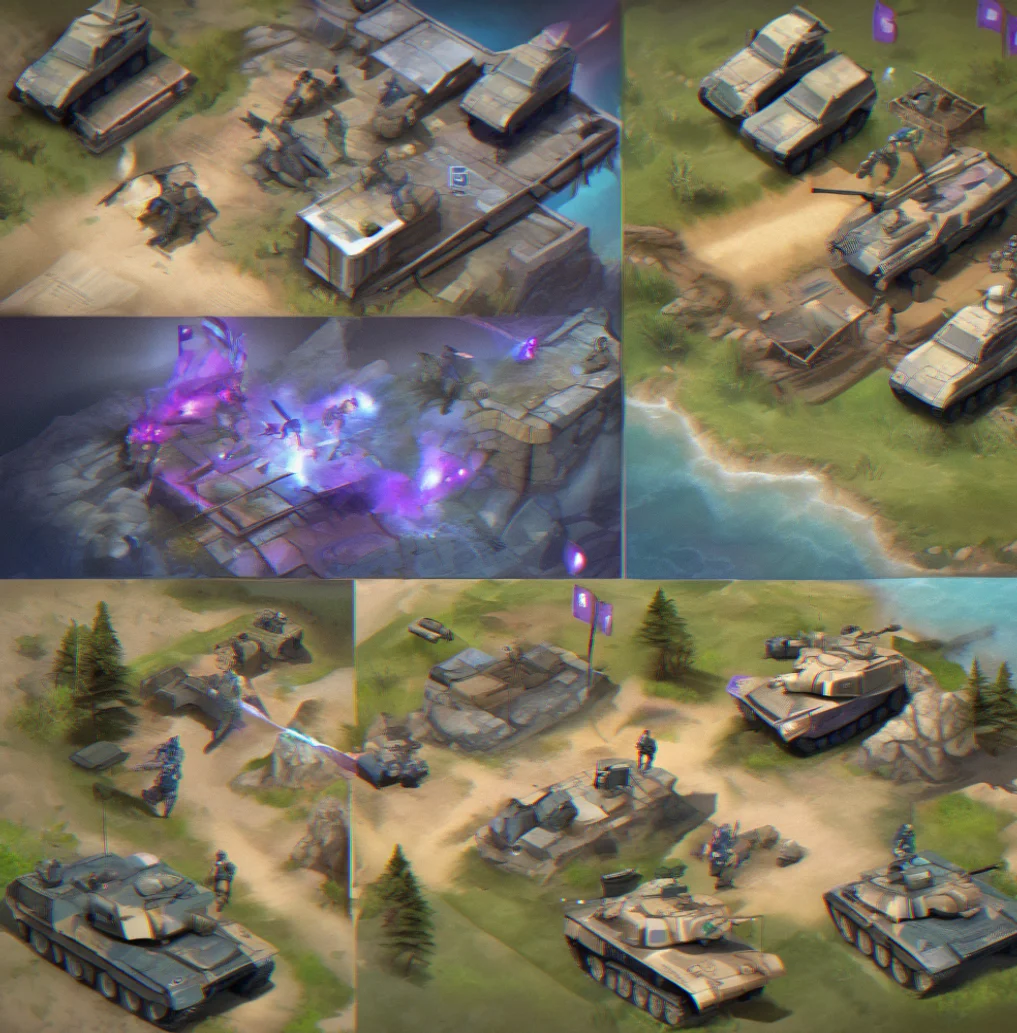
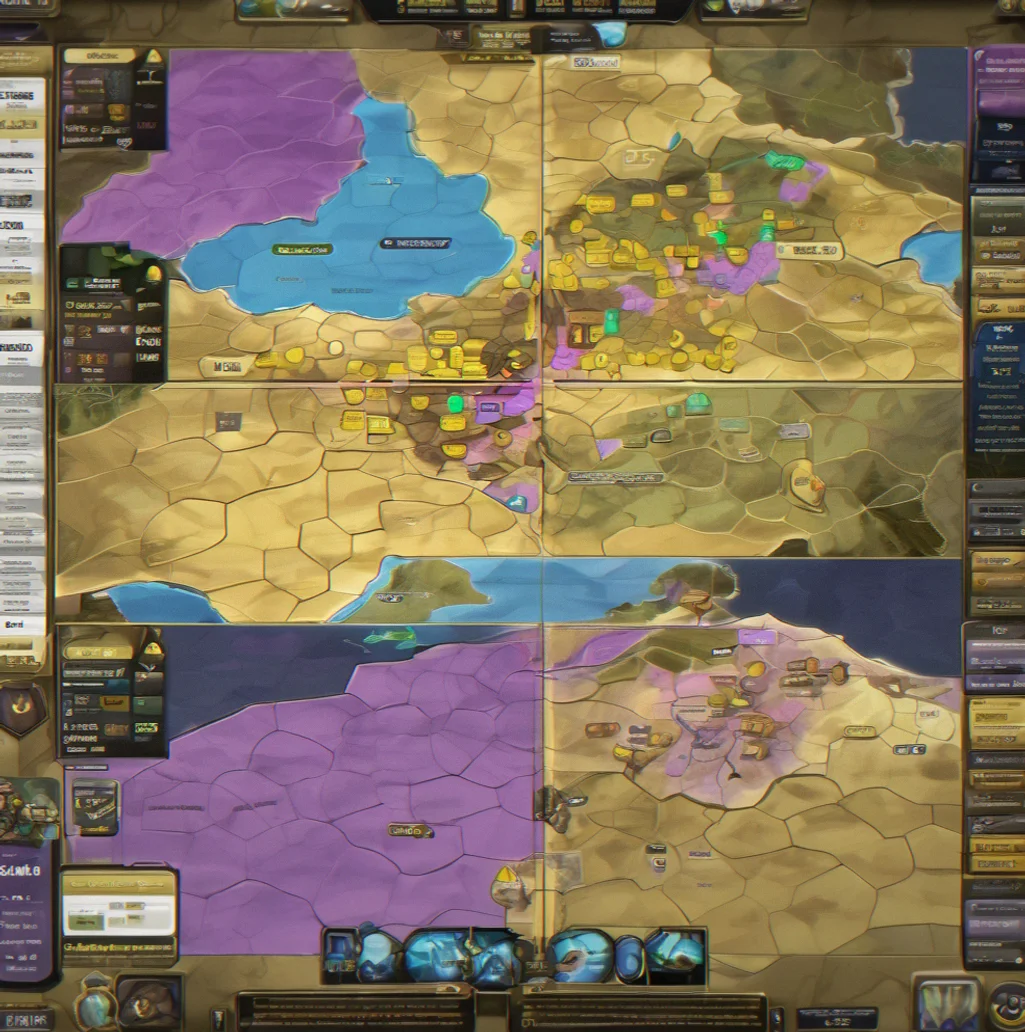
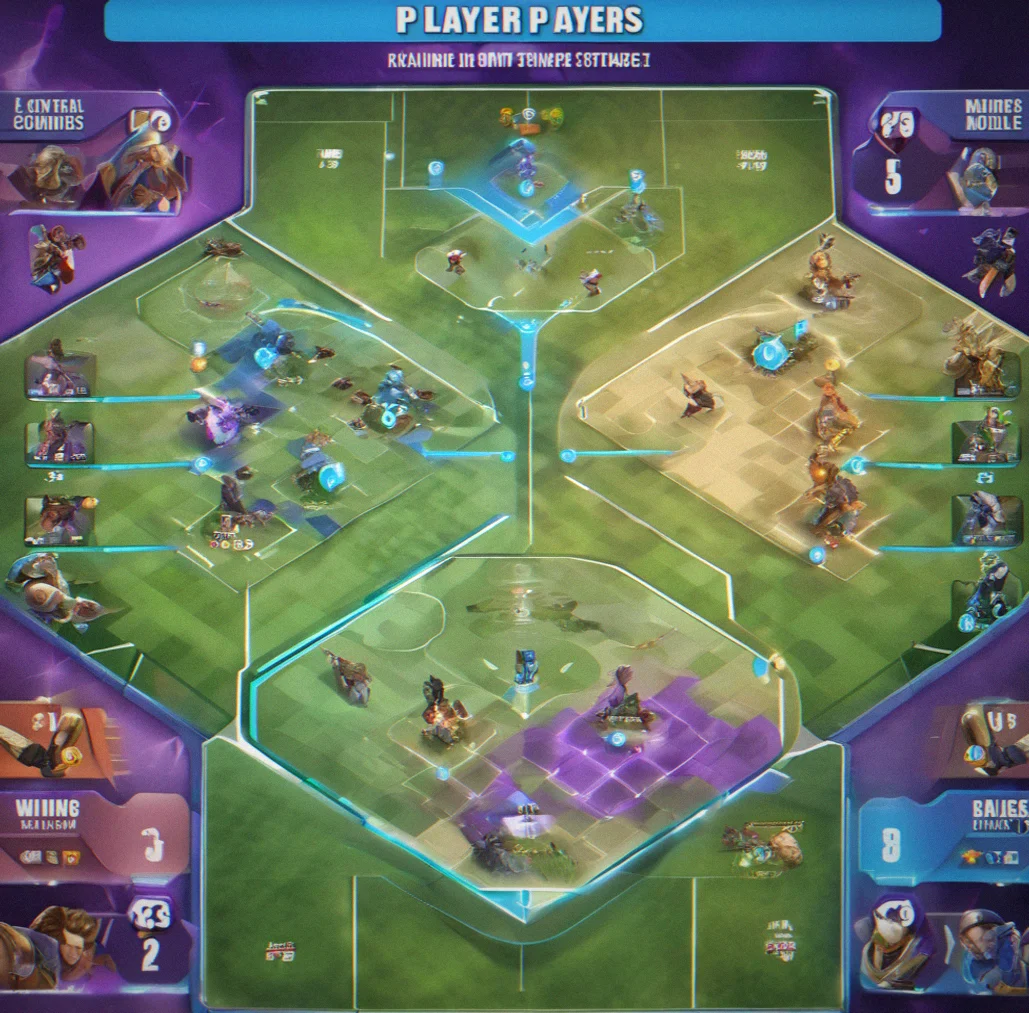
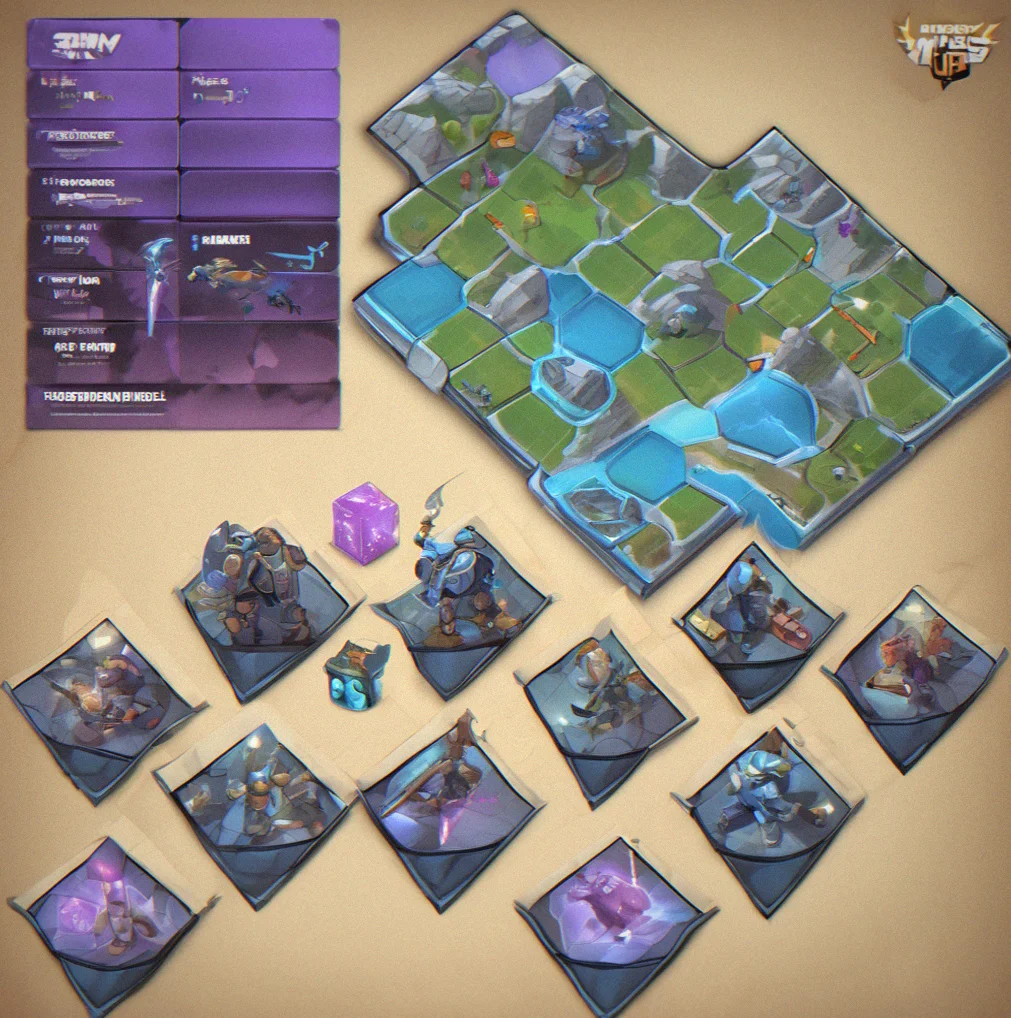
Game board from above showing units placed across asymmetrical terrain during a ranked match

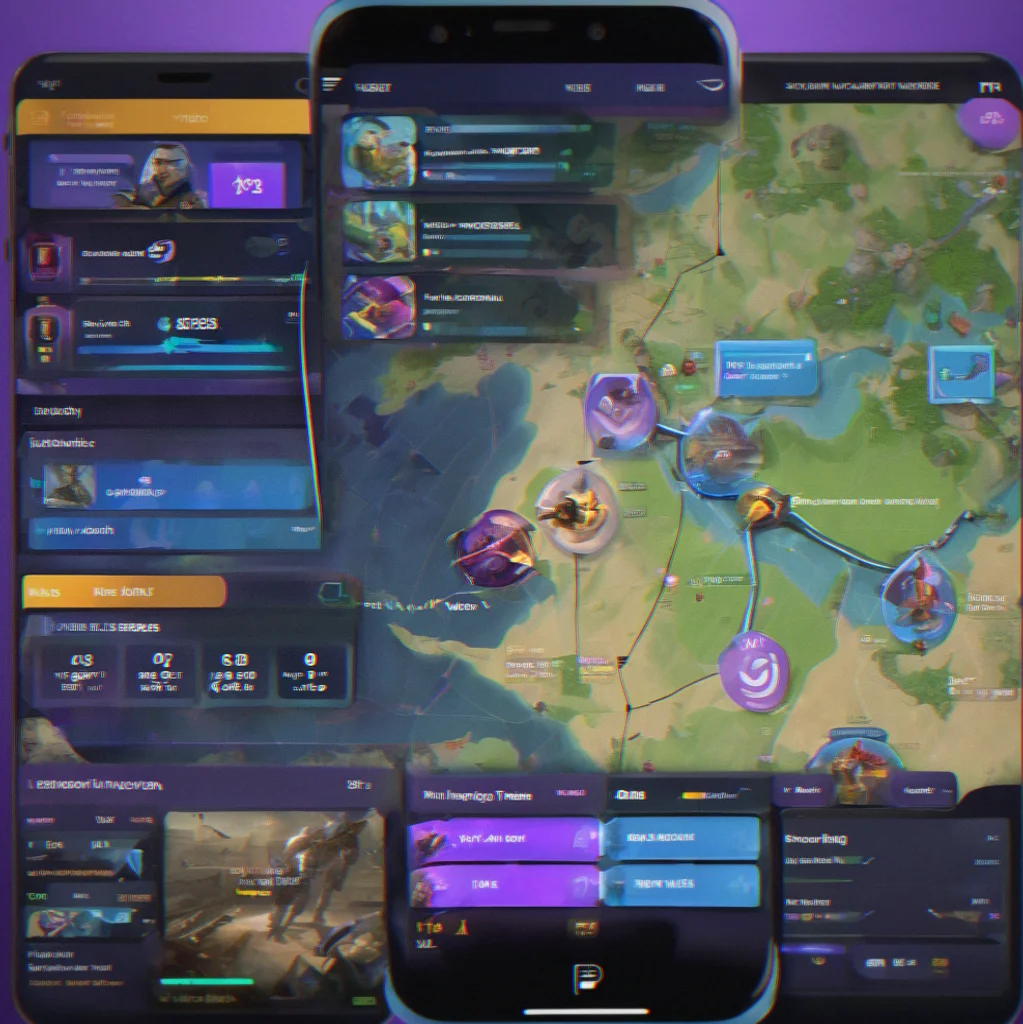
You read patch notes to understand why things shifted. You build different lineups depending on the map. After 40 matches you know how each opponent plays. Sharpvista rewards people who think, not people who memorize. The ladder resets every season. Matchmaking keeps you playing people at your level. Maps are different enough that you can't just run the same strategy every time. It's got the depth of XCOM 2 and Slay the Spire but in a ranked format. Time pressure decisions, balance changes you can actually explain, and a leaderboard where placement means something.

Download Free
RANK

What Sets Competitive Strategy Apart

The mechanics and systems that separate ranked play from casual grinding.

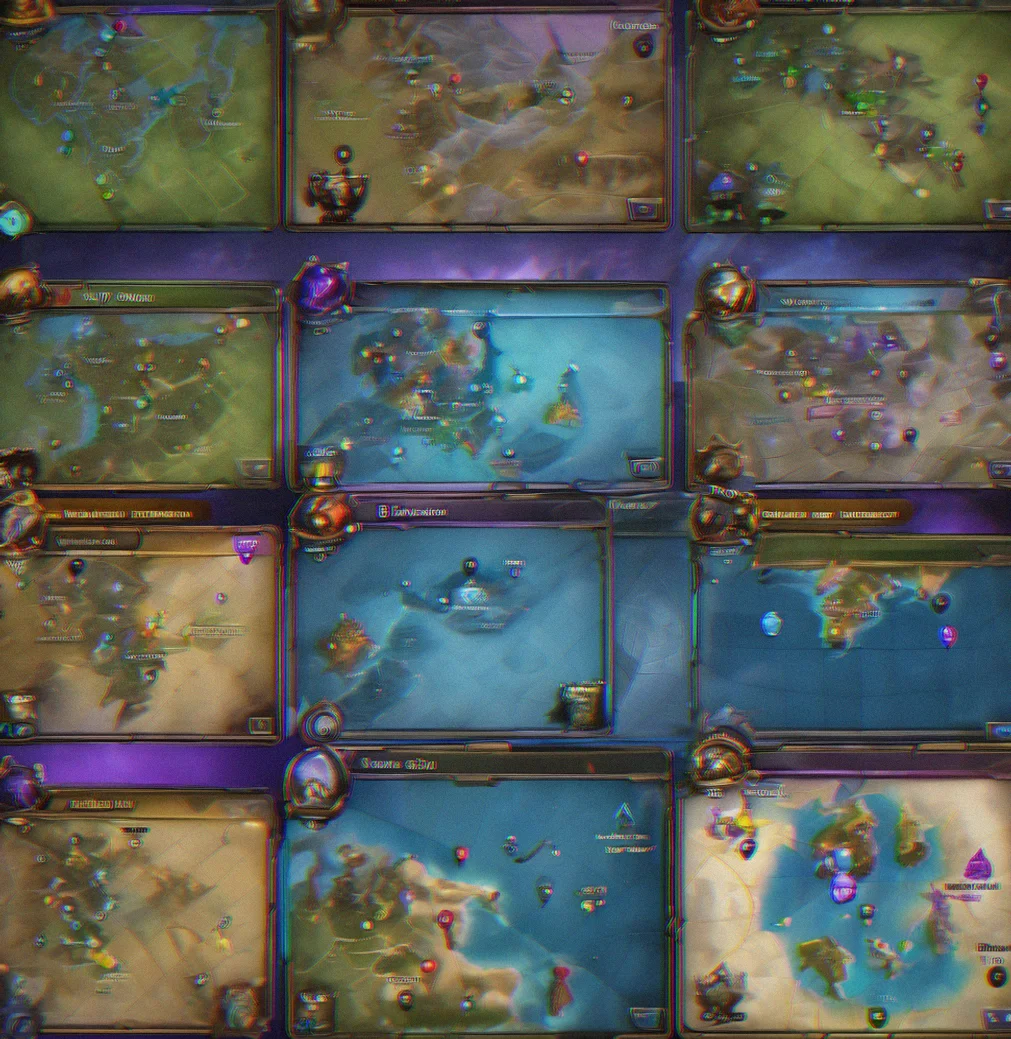
Overhead tactical map view showing asymmetrical terrain, high ground and unit positioning zones

Asymmetrical Map Design

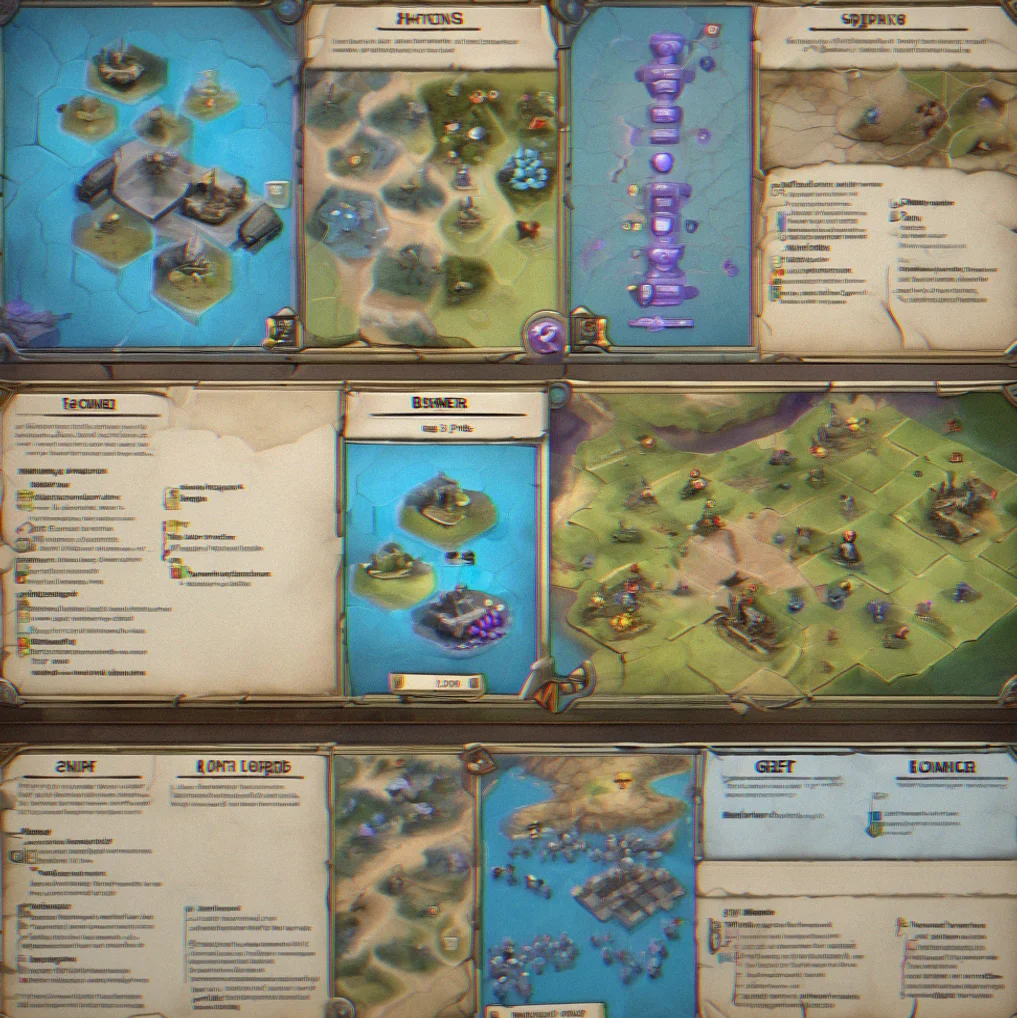
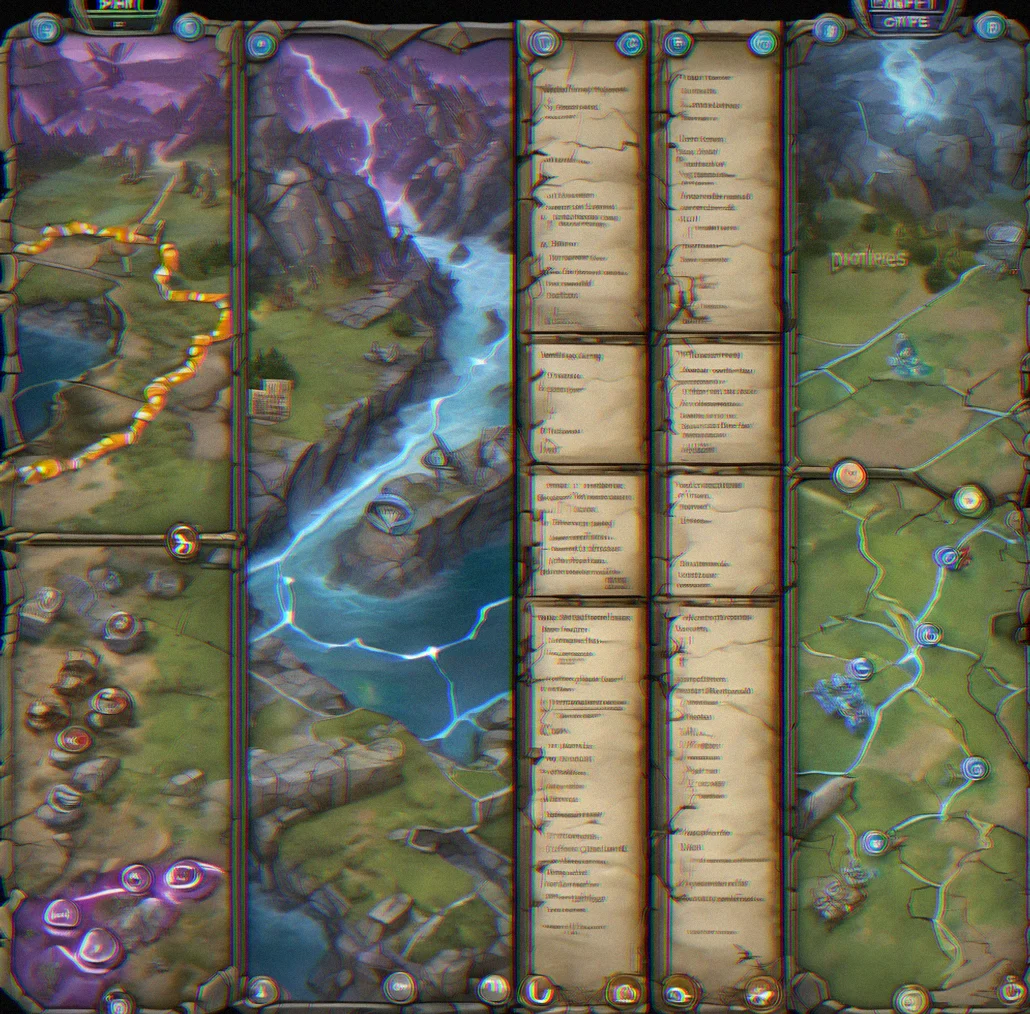
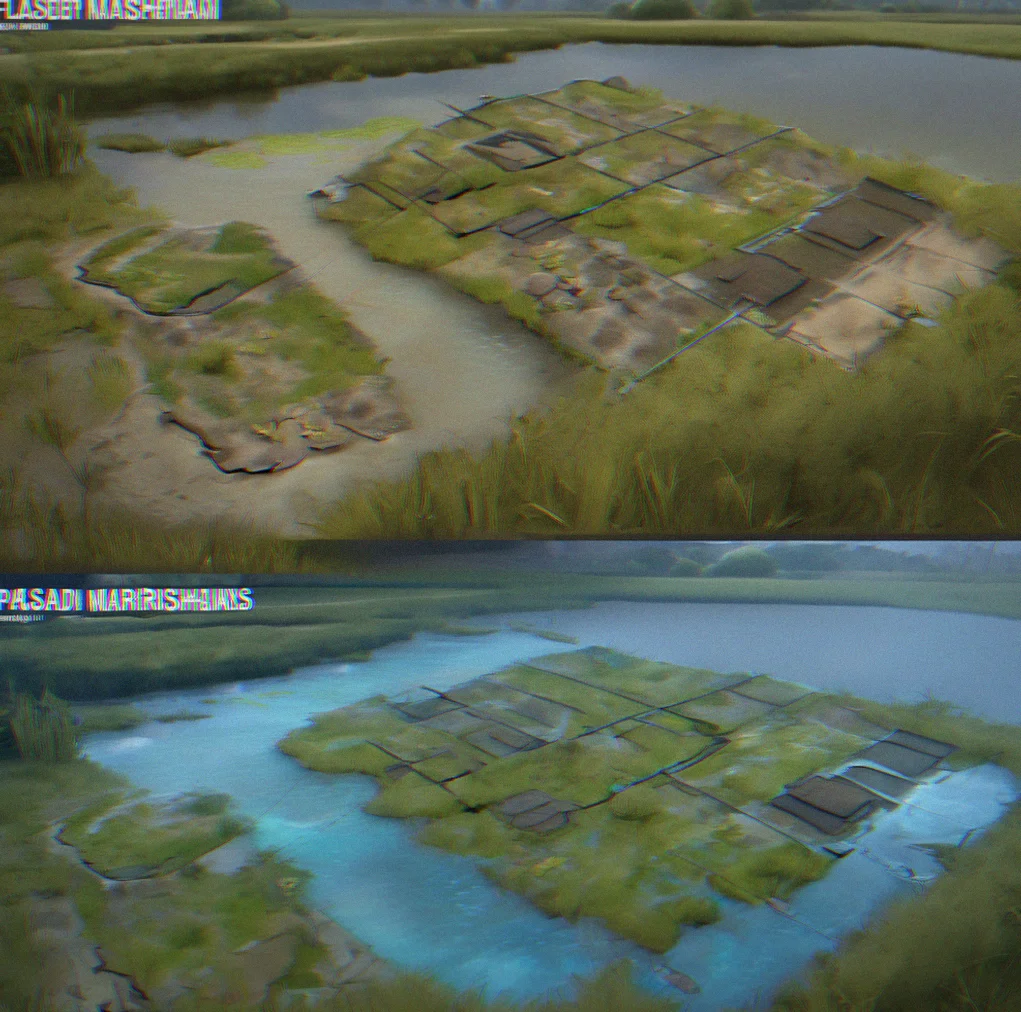
Four different layouts rotate in each month. On Shattered Spire, high ground cuts off vision on one side entirely. Fractured Gorge spreads you thin across three separate board sections. Flooded Marshland makes how you move matter way more than just raw stats. You can't just run the same composition blindly—the terrain changes how you position your units every single season.

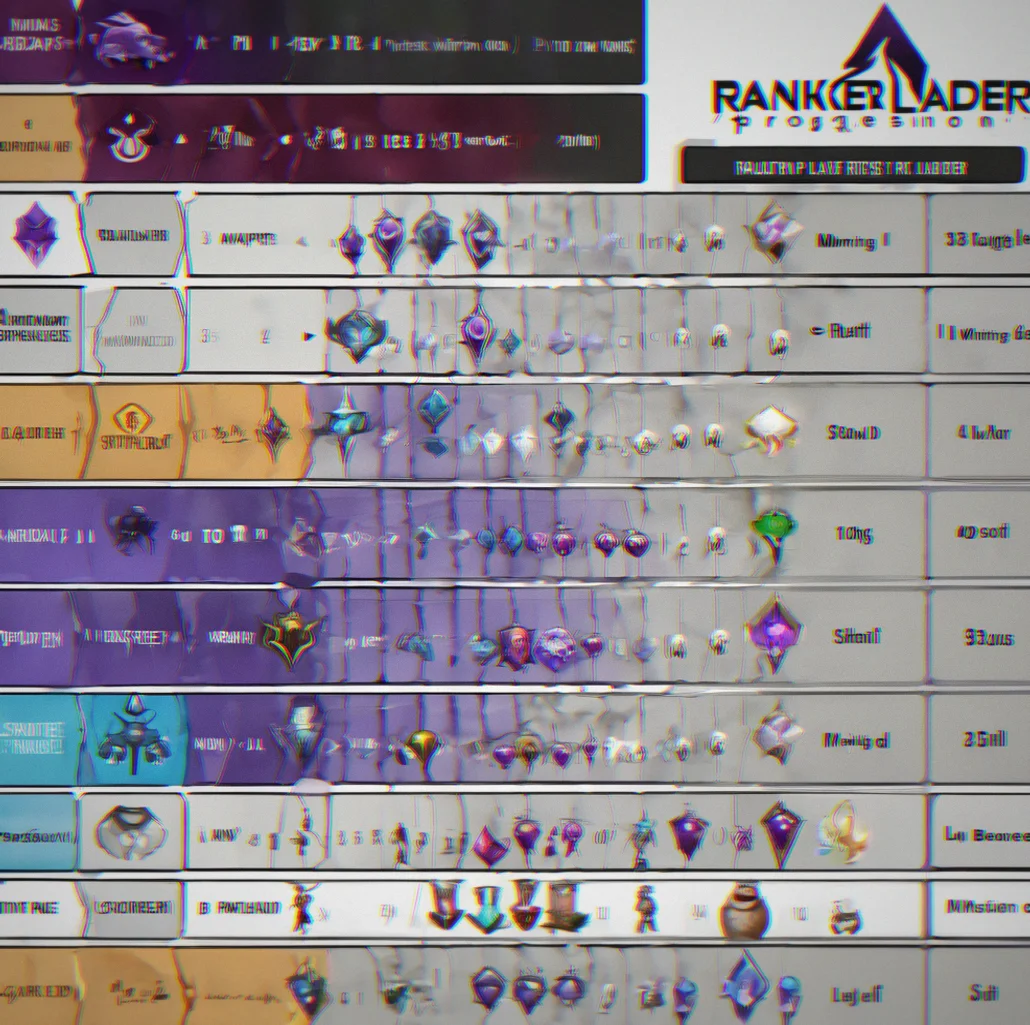
Ranked ladder progression chart showing MMR tiers from Initiate to Pinnacle with player distribution

MMR-Based Matchmaking

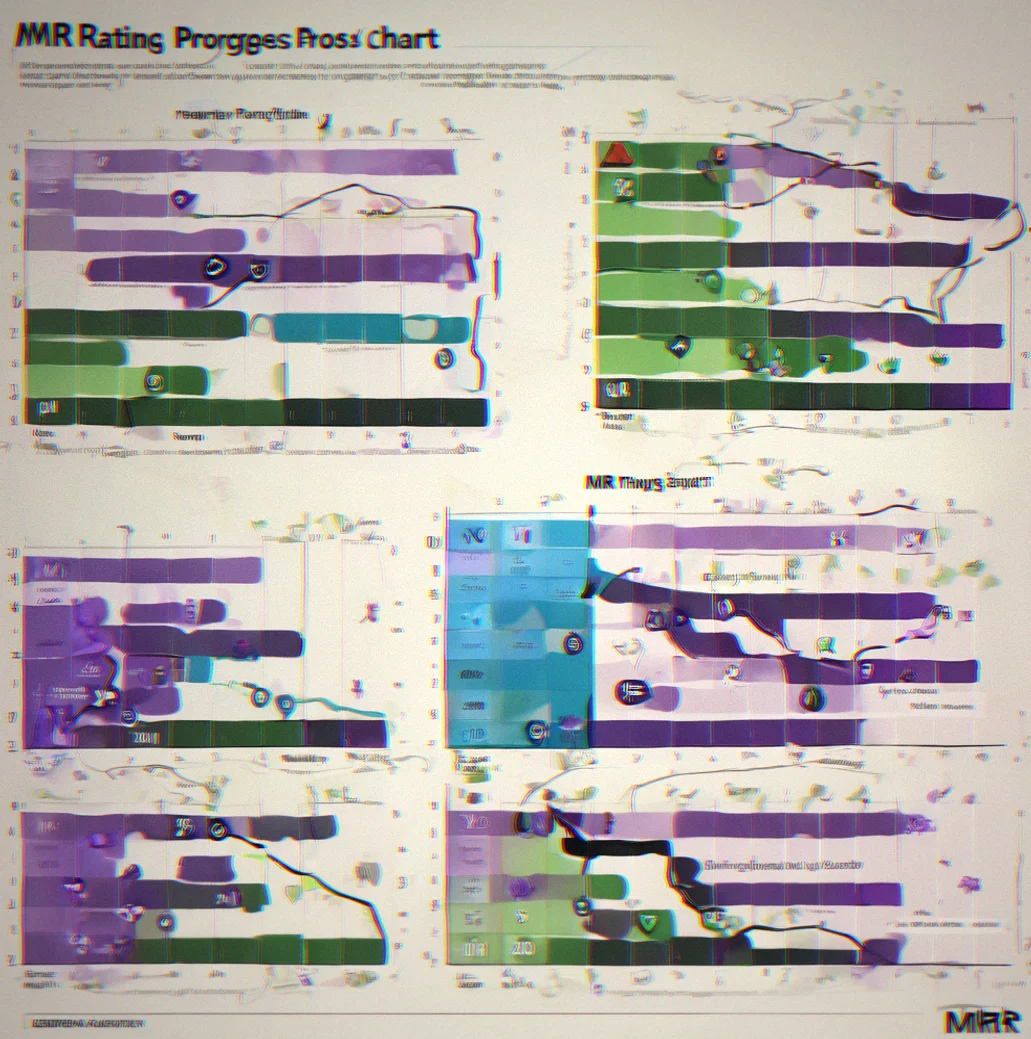
You're matched against people at roughly your level, not getting stomped or crushing new players. Most queue times land somewhere between half a minute and a minute and a half depending on your tier. The system actually distinguishes between someone at 1200 and someone at 1600. You get real opponents, consistent skill pressure, and your win rate starts hovering around 50 percent once you settle at where you actually belong.

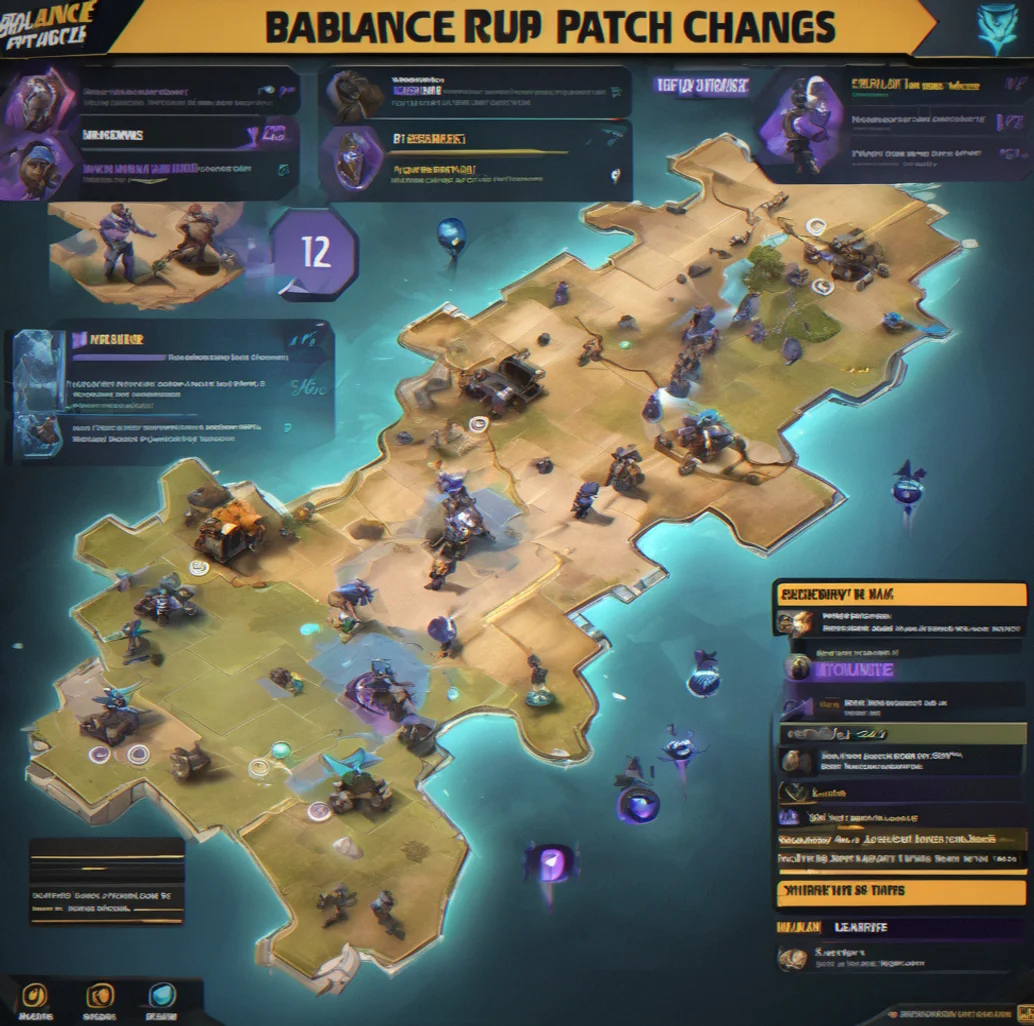
Balance patch notes document displaying unit stat changes, win rate percentages, and design reasoning

Transparent Balance Patches

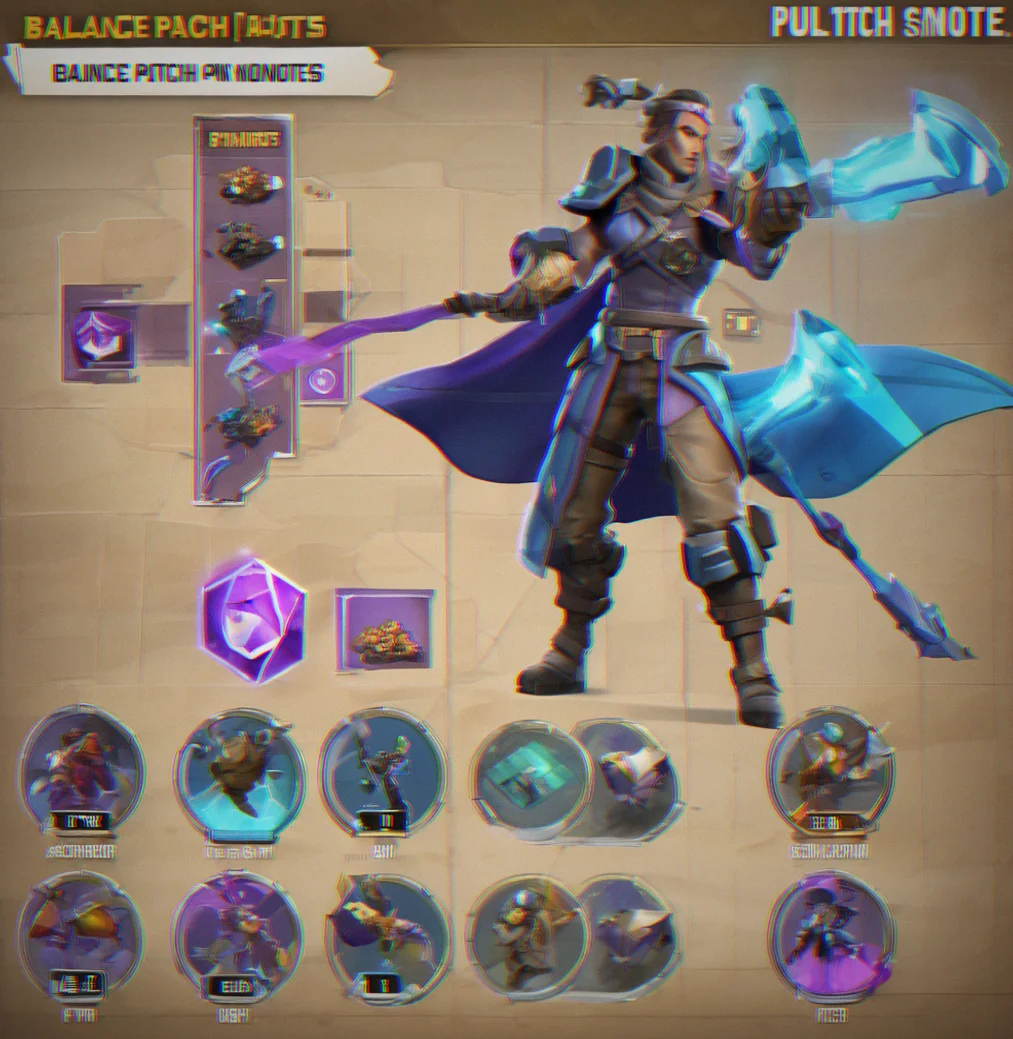
Every couple of weeks we drop changes backed by actual data and explain the reasoning. Say Tiderunner economy gets nerfed—you'll see the win rate by tier, like 54 percent at Master versus 48 percent at Initiate, plus the exact scaling that made it overpowered. Not just vibes. Numbers. Then you figure out how to adjust.

Season transition calendar showing three-month cycle, reset dates, and leaderboard ranking display

Seasonal Resets and Compression

Seasons last three months. The top 500 from last season start the next one boosted by a couple hundred MMR. Everyone else gets soft compression—you keep most of your progress above a thousand but not quite all of it. Rewards unlock based on tier. The meta shifted hard in Season 2, so that coinflip comp from last seeason probably only worked because something was broken.

Replay player interface showing scrubber timeline, unit stats panel, and economy tracking overlay

Replay Analysis Tools

Rewind through any turn. Speed it up or slow it down. Hover over units and see their exact stats at that point in time. Watch your opponent's gold, check how their composition shifted, see when they changed direction. Find where it fell apart—maybe you lost a crucial fight early or your economy got too far behind, or you switched strategies too late.

Economy spreadsheet tracking gold generation, inteerst income, and unit cost optimization curves

Economy and Timing Depth

It's turn 3. You've got 4 economy ticking and 6 gold in hand. Do you reroll for two-stars or level up to 5? Commit to four-cost units now or play it safe and stay flexible? Neither is wrong—it depends on what's actually on the board, where your opponents are, and what you think's coming next. There's no single right move.

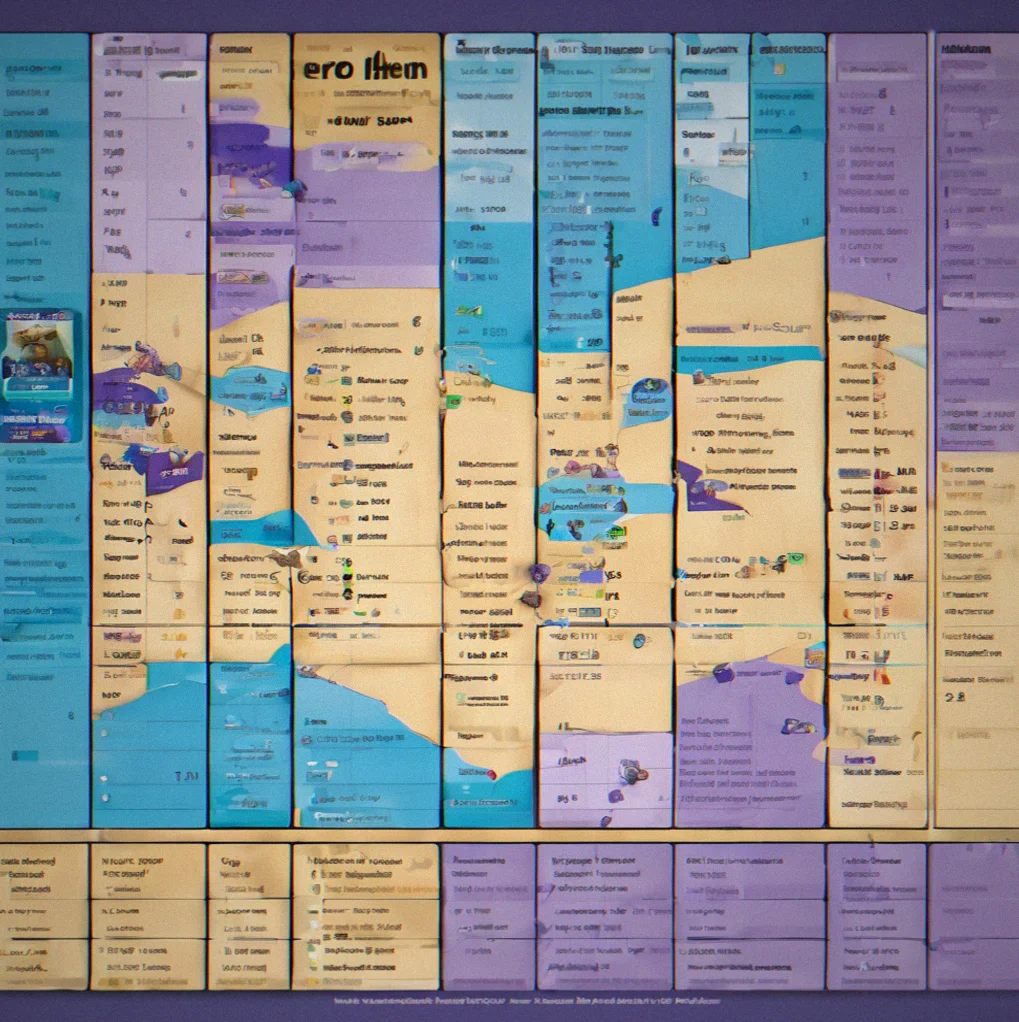
Unit roster grid showing composition synergies, item slots and stat optimization paths

Unit Composition Optimization

You read the patch notes. You fine-tune builds for each map. You learn how your opponents tend to play. Everything builds on itself across seasons.

Global leaderboard display showing top 500 players by region, MMR rank, and seasonal standing

Ranked Ladder and Leaderboards

Initiate sits at zero to 999 MMR, then Ascendant from a thousand to 1399, Master from 1400 to 1699, Apex from 1700 to 1999, and Pinnacle at 2000 and up. The top 500 players per region are visible to everyone. Your spot updates live. Getting consistent fourth-place finishes climbs slower than occasionally hitting first, but across 50 matches skill always wins out over luck. The ladder doesn't lie.

Ranked Play in Action

Maps aren't symmetrical, unit placement matters, and tracking your economy is what separates people climbing from people stuck. That's the competitive game.

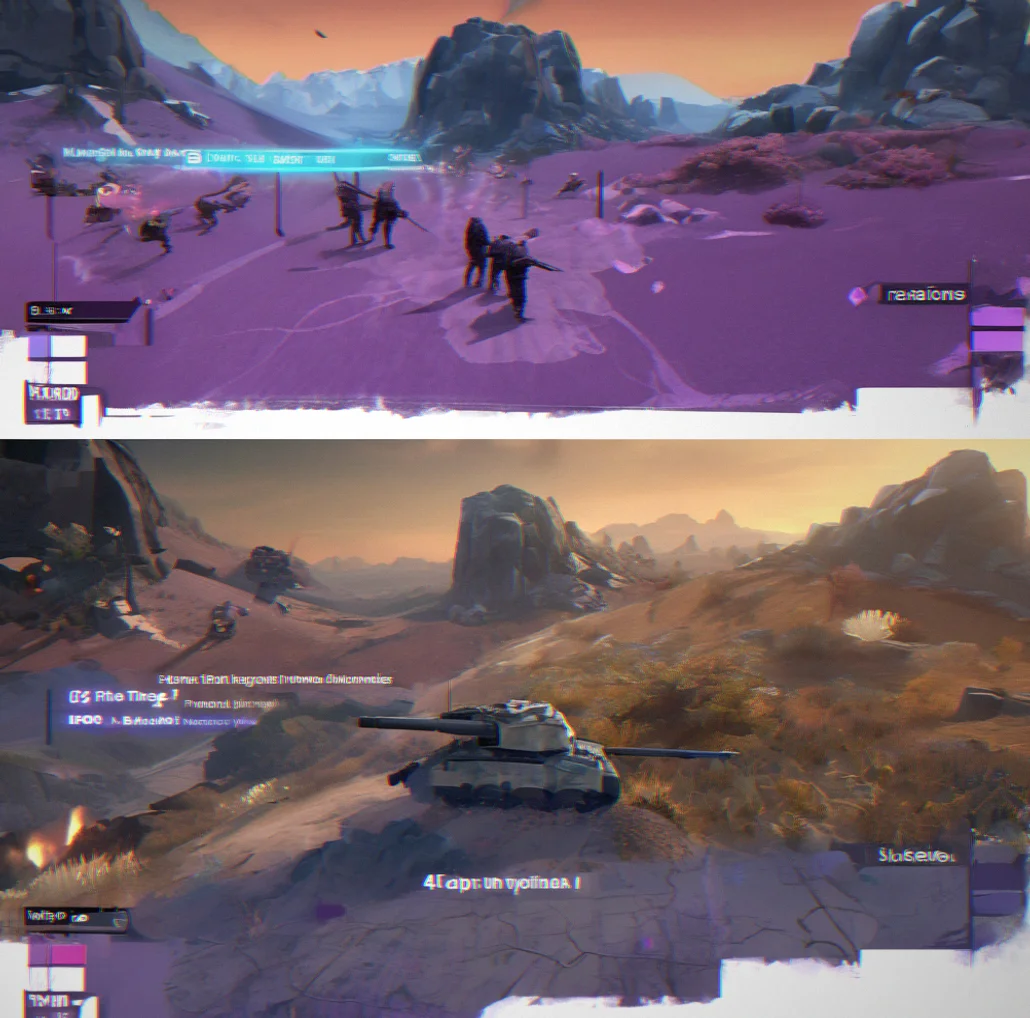
Board view with 8 players, units placed around the map, elevation changes, and fog of war on Shattered Spire
Mid-game board with uneven positioning
Top 50 ranked ladder showing player names, MMR from around 2100 down to 1650, and where they sit this season
Season 8 leaderboard
Gold and economy screen displaying current gold, interest from reserves, what units cost, and total net worth over five turns
Economy management through the mid-game
Replay timeline with unit stats on hover, what the opponent had, and damage dealt highlighted at turn 12
Replay showing how turn 12 played out
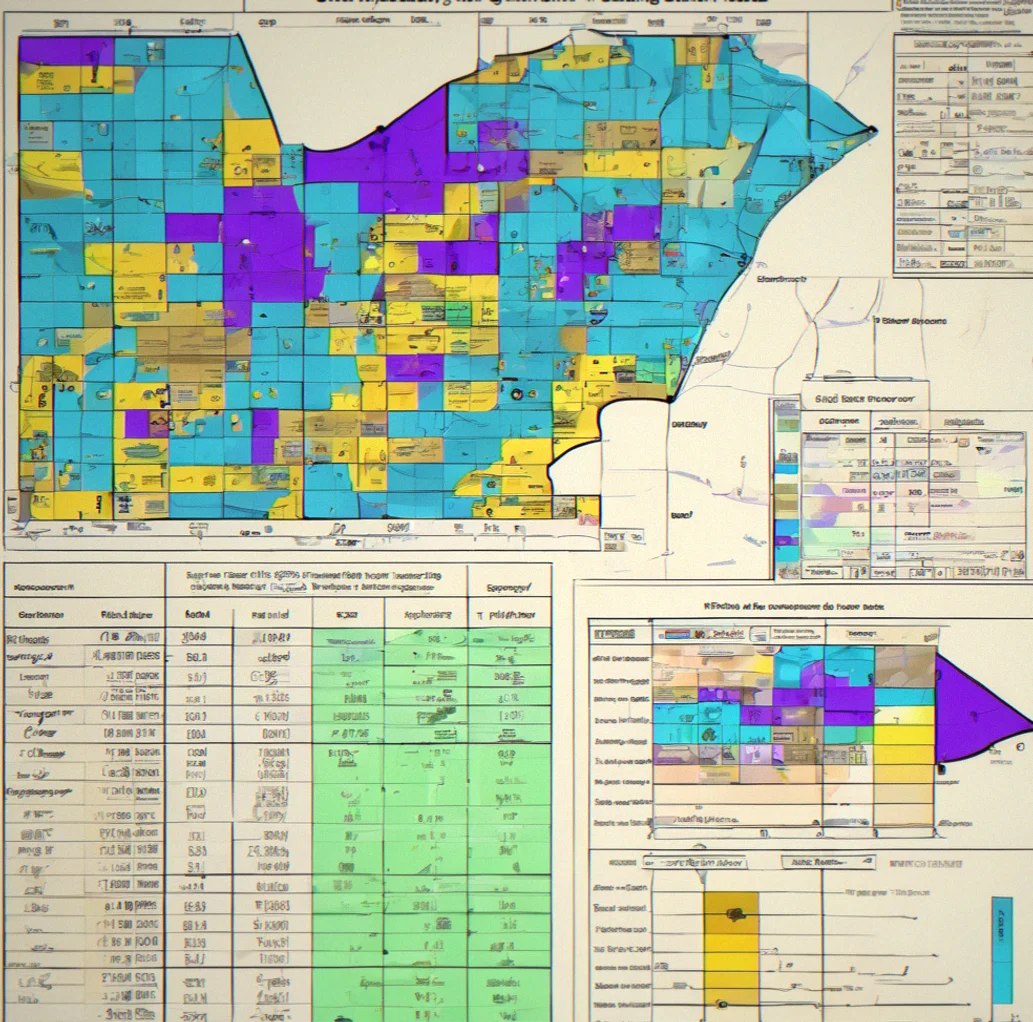
Balance patch notes listing stat changes, win rates by tier, and why the adjustments happened
Patch 8.2.1 changes and the numbers behind them
MMR
Ranked Progression

How MMR Actually Works and Why It Matters

A 1200 rating isn't the same as 1600—the system can tell the difference. You run through your placement matches and land in whatever tier fits: Initiate, Ascendant, Master, Apex, or Pinnacle. From there, matchmaking does its job and pairs you with people at your level. Queue times typically run between half a minute and 90 seconds. You're not getting crushed by smurfs or carried by a teammate who shouldn't be there. The algorithm watches your win rate for each tier and keeps adjusting who you face. Grind 50 matches at a 52 percent win rate and you climb. Sit at 48 percent and you've hit your wall.

Every three Months the season resets. Your MMR doesn't drop to zero—you keep most of it, roughly 70 percent of what you had above the 1000 baseline. Players in the top 500 from last season seed a bit higher. Everyone else goes through placement matches again. The reset forces you to adapt. That economy build that worked last patch might get completely gutted by a balance change. Season 2 starts and suddenly you're solving different problems. It keeps things from getting stale.

The leaderboard is right there for you to see. Top 50 players per region, names and ratings visible. No mystery about how matchmaking works or what's happening behind the scenes. You know exactly what rating you need to hit for top 500. You can pull up replays from whoever's ahead of you and figure out what they're doing differently. Climbing ranked isn't just a number going up—it's concrete data you can actually study.

MMR rating progression chart showing placement matches leading to tier assignment, then seasonal climbing curve with win rate overlay

Fair Pairing Every Match

Matchmaking looks at your current MMR, not whatever rating you had last season. You get matched with people at your actual skill level. Your win rate gravitates toward 50 percent once you find your tier.

Visible Progression

The leaderboard puts the top 500 on display with names and ratings by region. You can watch your own climb happen. You can look at who's above you and study how they play.

Seasonal Soft Reset

Every quarter the MMR resets and compresses. You don't lose everything—you hang onto most of what you earned. Forces people to adapt to the meta. Keeps the ladder from getting stagnant.
Skill Beats Reflexes

Each turn gives you 90 seconds to actually think. You're reading the board, working out damage numbers, tracking what your opponent has saved up and how much interest they're making, then deciding if this is a roll turn or a level turn. Ranked isn't won by people with fast fingers—it's won by people who know the meta inside out and know where their units belong.

01

Maps Force Adaptation

Something that crushes on Fractured Gorge might completely fall apart on Shattered Spire. High ground blocks sightlines from one direction. Comps that split the board work when the terrain actually separates your positioning options. Since the map rotates every month, you can't just memorize one build and coast.

02

Why did the patch nerf Tiderunner? Win rate at Master tier sat at 54 percent. At Initiate, 48 percent. The economic scaling compounded too aggressively in mid-game pivots. You read the reasoning, understand the data split by tier, then adapt your strategy. Transparent. Not arbitrary.

03

Ladder Doesn't Lie

Someone at 1200 MMR plays other 1200 MMR players. Someone at 1700 climbs toward 1700. The matchmaking is skill-based, so you're getting real opponents, not one-sided games. Play 50 matches and your win rate settles around 50 percent at your actual skill level. Climbing up isn't about getting lucky. It's about making the right call over and over.

04

Asymmetrical Map Pools

Four different layouts and they rotate each month. You've got high ground positioning, split board spaces, terrain choke points—basically every map is built to make you think differently about where your units go and how you spend your gold. Playing the same composition on Shattered Spire versus Flooded Marshland just doesn't work. The terrain shapes your entire strategy.

MMR-Based Matchmaking

You're matched with players at your rating. Queue times usually land somewhere between 30 and 90 seconds. A 1200-rated player gets paired with another 1200, not someone sitting at 1600. Your win rate naturally gravitates toward 50 percent once you settle at your actual rank because the system actually knows what it's doing.

Transparent Balance Patches

Every couple of weeks we put out changes backed by actual numbers. Tiderunner economy too strong? You'll see the win rate broken down by tier—54 percent at the top, 48 percent at the bottom—along with the exact thing that made it overpowered. It's not mysterious or made up. It's all there.

Seasonal Resets Every 3 Months

When the season ends your MMR resets. You hold onto roughly 70 percent of whatever edge you had above the 1000 floor. Players in the top 500 get seeded higher than everyone else. Everyone else starts fresh and has to calibrate where they actually belong. It keeps the meta from getting stale and stops people from just grinding endlessly without improving.

Replay Tools & Analysis

Rewind through any turn at half speed or double speed. Click on units and see their stats from that exact moment. Watch how your opponent's gold moved around, what pieces they added, when they shifted their composition. Mark the turns where you made mistakes. Pinpoint when you switched directions too late or let your interest income slip.

Visible Leaderboards

The top 500 players show up by region. You can see exactly where you stand, who's above you, and what rating they're sitting at right now. It's all open. You can study replays from people way ahead of you. Climbing isn't some abstract thing—you've got concrete data showing what it takes.

Game board with eight players, units positioned on uneven terrain, fog of war blocking vision, health bars visible
Your gold, interest per turn, what units are worth, and where your wealth goes over the next several turns
Top players ranked by rating, showing their season standing and regional position
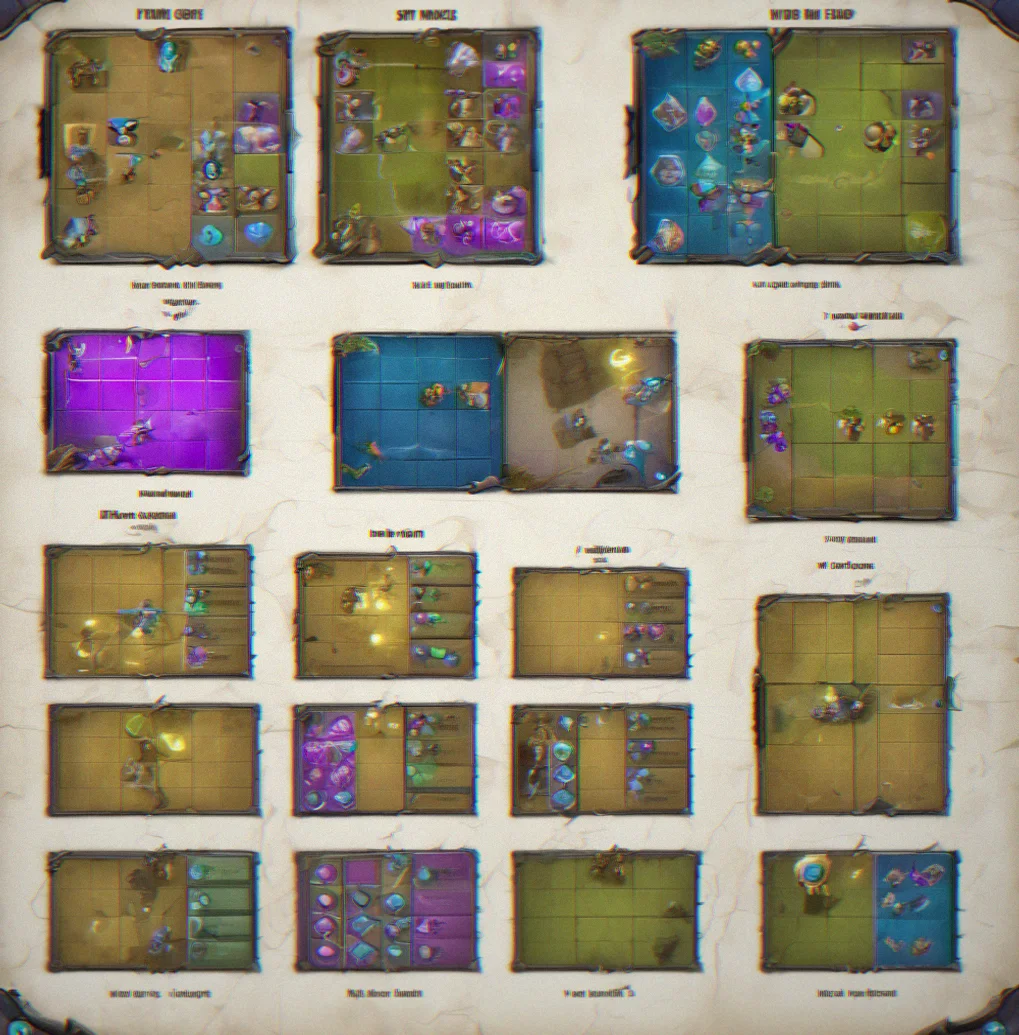
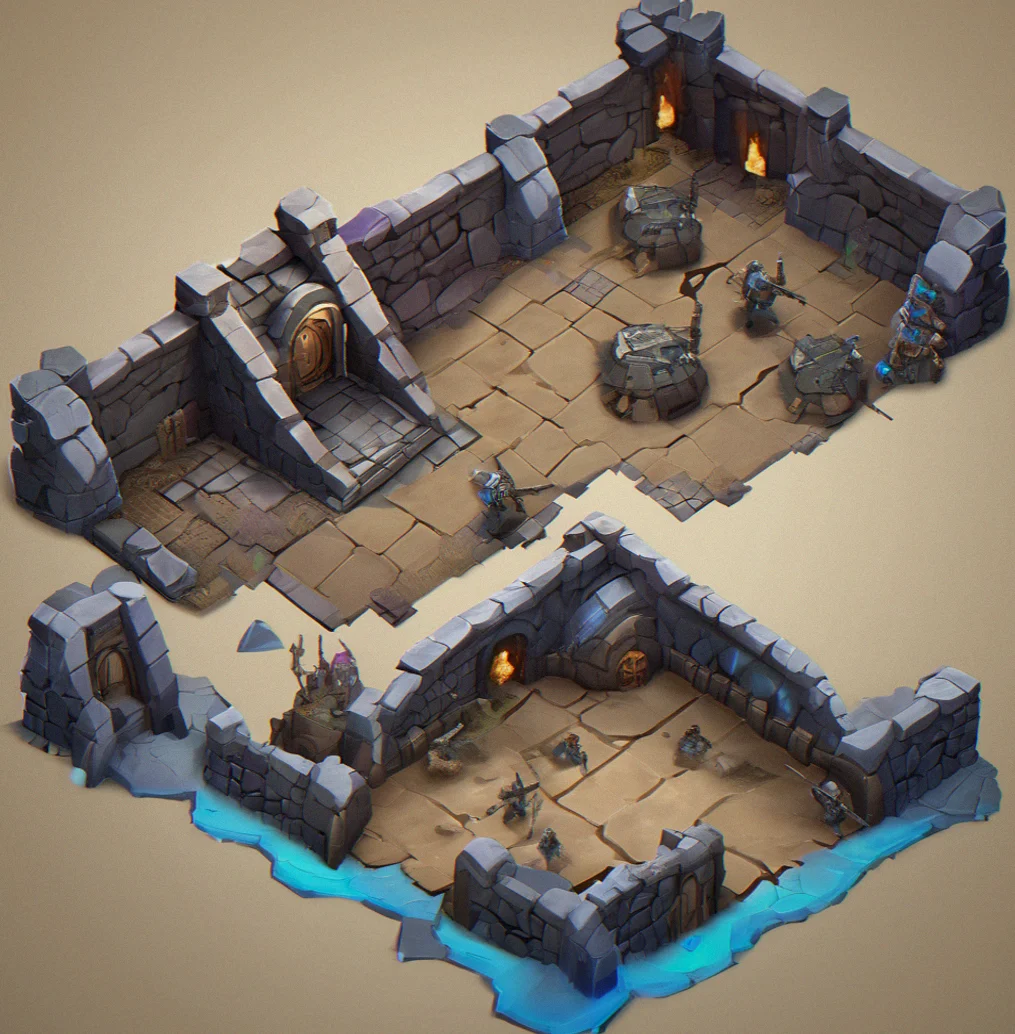
Shattered Spire layout. High ground scattered unevenly. Dark zones where you can't see. Best spots to place your units marked out
Scrub through a match turn by turn. Hover over units to see their stats. Waych the damage happen. Check what your opponent was running
Patch notes breaking down unit changes, how each tier is performing, and why the devs made the adjustments
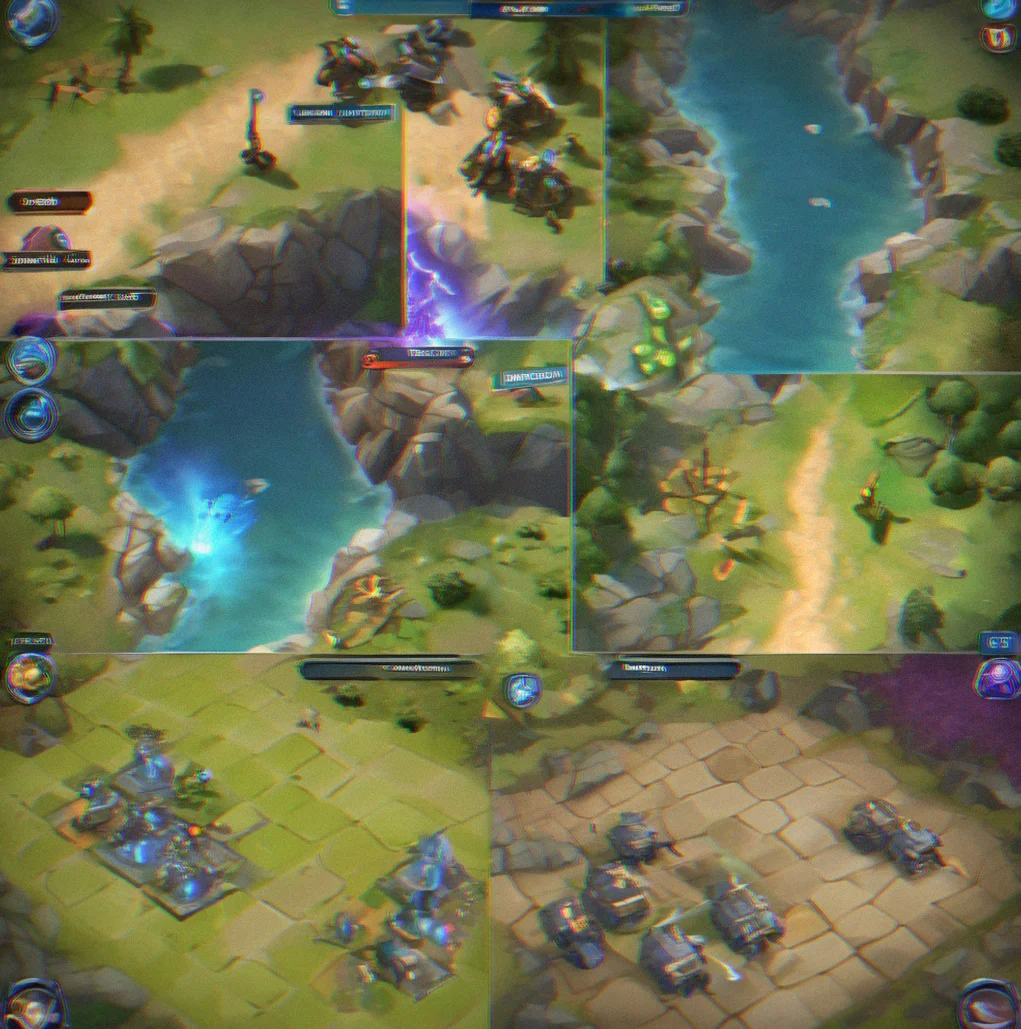
Fractured Gorge splits the board into three separate areas. Narrow paths between them force you to spread your units thin
Your rating over time. Placement matches get you started. Season resets push everyone down a bit. Tiers are marked on the line
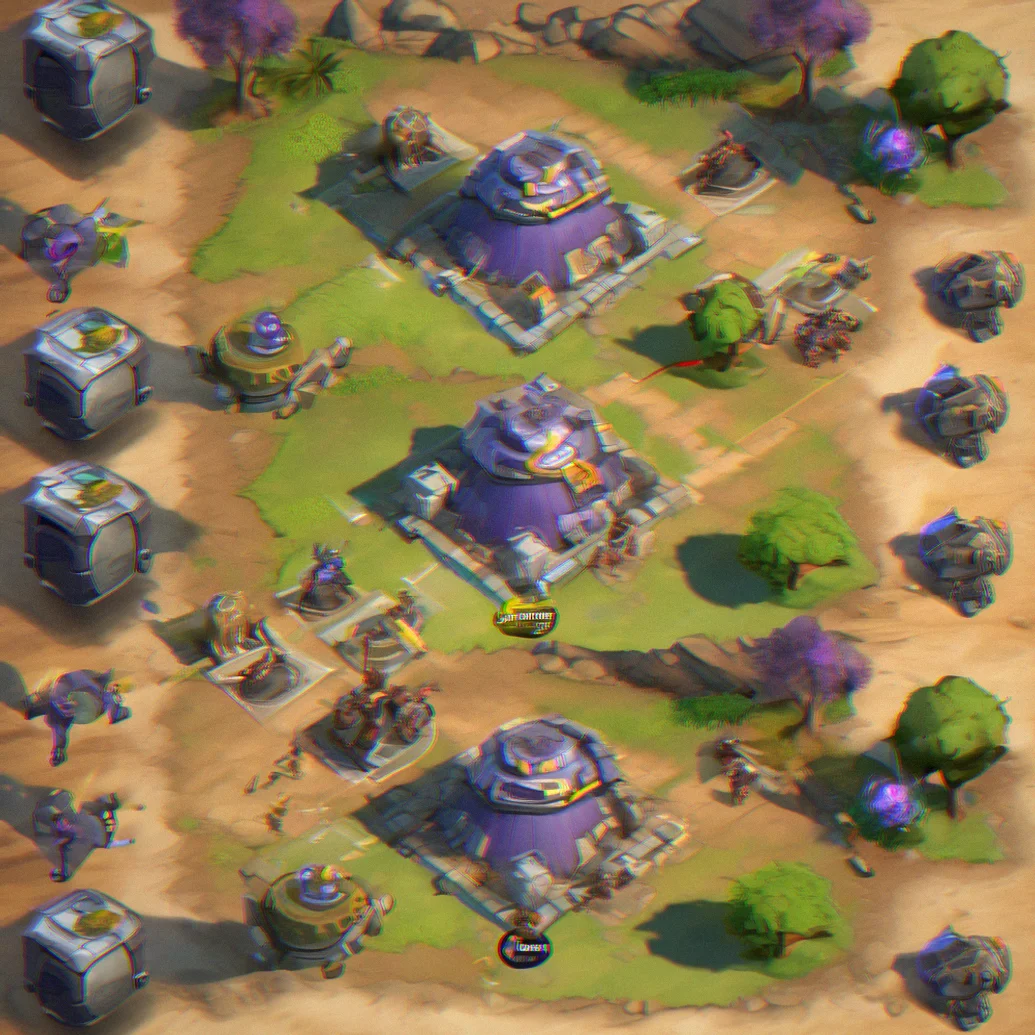
Grid showing which units work together, where to put items, and how different builds scale as they level up
Flooded Marshland has dead zones you can't cross, sneaky side routes and terrain that blocks or slows unit movement
01/10
Common Questions

Ranked Play & Progression

Questions that actually come up from people grinding ranked. Straight answers, no fluff.

Most run 25 to 35 minutes. You can get eliminated early and be done by turn 15. When two players make it to finals, you're looking at nearly an hour. Depends who's in the lobby and how long people take before they start rolling.

Yeah. The system pairs you fairly. Over time, skill pushes your rating up. We've seen people jump from 1200 to 1750 in one season. You need to put in the work—at least fifty matches to show you're consistent—but it's possible.

Not really. You just found where you are right now. Usually one thing is holding you back—bad economy timing, waiting too long to pivot, always standing in the wrong spot. Grind twenty matches focused on fixing that one leak. Most people break through once they figure out what it is.

Patches drop every couple weeks. Everyone sees the changes at once. The edge goes to whoever tests the new stuff first, before the meta solidifies. After about two weeks though, everyone's caught up. That advantage doesn't last.

There is, but not for long. The system figures out smurfs fast and puts them at 1400 or 1500 right away. A couple weeks into the season they're at their real rank or above it. You might run into one or two. It's not a constant thing.

No. Once it's out, it stays. What you can do is read why they made the change, test it in regular matches, then adjust how you play. The patch notes break down the data—win rates across ranks, what interactions were broken—so at least you see the thinking behind it.

Report a Balance Issue or Bug

Ranked play only works if everyone's seeing the same game. Found a broken interaction, an economy exploit or something weird with matchmaking? Let us know. We actually read these and push fixes based on what comes in.

Your reports directly shape balance decisions and how the meta evolves.
Confirmed bugs get patched in about 2 cycles. Exploits we move even faster on.
When we ship a fix, you see it published with the reasoning behind it.

Data drives patches. Send it.